
How Source-to-Pay Improves Supply Chain Performance: A 2026 Guide
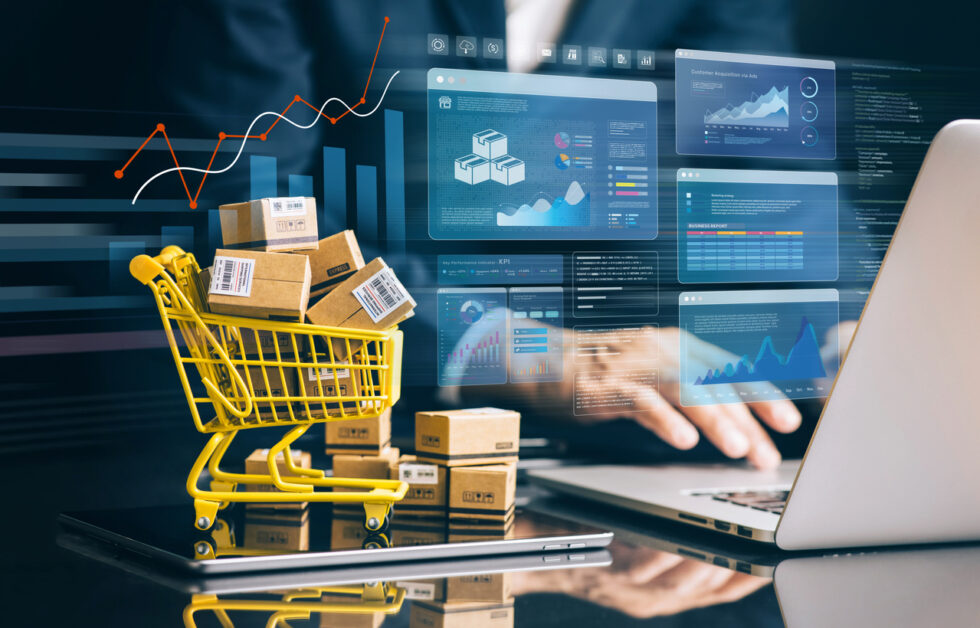
A connected source-to-pay process improves supply chain performance management system by linking every stage in one system. Fragmented procurement and supply chain management creates blind spots, delays, and off contract spend that hurts performance. Source-to-pay closes this gap.
This article explains what source-to-pay covers and where performance breaks down without it. It shows how a connected process speeds cycle times, sharpens supplier decisions, and increases disruption resilience. It also covers what to look for in an S2P solution and how to measure the gains. Strong supply chain performance management starts with a connected process, through a source-to-pay solution.
Key Takeaways
Summary
- Siloed operations and fragmented systems are the primary barrier for 57% of the chief procurement officers, limiting value across procurement and supply chain management.
- Absence of source-to-pay systems leads to maverick spend and organizations losing 10% to 20% of their savings.
- Source-to-Pay solutions automate and standardize processes, thus reducing manual errors and reducing the requisition to order cycle time to 5 hours, compared to an average of 48 hours.
- A connected S2P process strengthens supply chain performance management. It breaks down data silos, improves compliance, reduces disruption risk, and helps procurement make faster, smarter decisions with greater cost control.
- Real-time analytics and supplier visibility helps procurement detect risks early and respond faster to disruptions, thus improving supply chain resilience.
What Source-to-Pay Actually Covers
From sourcing and contracting to invoicing and payment
Source-to-pay covers the entire procurement process. It integrates supplier sourcing and contract negotiation through purchasing, invoicing and payment. It connects all the stages that organizations run separately. The process is split into two halves. Source-to-contract is the upstream function and covers spend analysis, supplier selection, and negotiating contract terms. Procure-to-pay is the downstream function and covers purchase orders, goods receipt and invoice matching. Invoice matching aligns the purchase order, receipt, and invoice before the payment. Nowadays, the integration of AI in S2P allows reading invoices in any format and perform multi-way matching resulting in touchless rates of 70-90%. Thus, source-to-pay is a connected chain which is working end-to-end.
70–90%
touchless invoice rates now reported where AI reads any invoice format and runs multi-way matching automatically.
AI-enabled source-to-pay, 2026
Why fragmented systems break this chain
Fragmented systems break the chain because data stops flowing between the stages. All the processes including sourcing, contracting, purchasing and payment are disintegrated and run separately. According to Deloitte’s 2025 CPO survey, isolated operation was the key barrier cited by 57% of the CPOs preventing value delivery.
The damage keeps on compounding as you move downstream. The disintegration leads to degradation of the master data and bad data feeds into every sourcing and payment decision. The process of strategic spending falls apart. This underlines the importance of supply chain performance management built on connected, reliable data.
JAGGAER One: Source-to-Pay Platform with AI embedded at every step
JAGGAER One is an intelligent source-to-pay platform covering all upstream and downstream functions like spend analytics, strategic sourcing, invoice and payment management.
Where Supply Chain Performance Breaks Down Without Source-to-Pay
Maverick spends and disconnected purchasing
The absence of a source-to-pay system leads to off-contract purchasing. Maverick spend is buying outside the negotiated contracts and approved suppliers. This usually happens due to an outdated and inefficient procurement software or lack of employee familiarity with compliant procurement policies and procedures. According to Ivalua, organizations lose 10 to 20% of their savings due to maverick spend. Disconnected purchasing negatively affects every deal secured by procurement and the damage is way bigger than the cost. It leads to fragmented spending and weakens the negotiating powers of suppliers. It breaks contract compliance and also reduces visibility of overall spend.
10–20%
of savings lost to maverick spend when buying happens outside negotiated contracts and approved suppliers.
Delayed payments and strained supplier relationships
Without a connected S2P system, procedures like invoice processing are performed manually across disconnected systems. The approval bottlenecks, data mismatches and error-prone processes lead to delayed payments. These late payments carry indirect costs and lead to strained supplier relationships. According to Kaplan Group, 26% of business decision makers ended a buyer or supplier relationship due to delayed payments. The scale is huge. Around 86% of businesses reported that up to 30% of their monthly sales are overdue. These strained partnerships usually tighten contract terms, raise prices or deprioritize orders.
26%
of business decision makers ended a buyer or supplier relationship due to delayed payments.
Lack of visibility into supplier performance data
Supplier performance data remains scattered and disintegrated when an efficient S2P platform doesn’t optimize the supply chain lifecycle. Data including delivery quality, on-time delivery rates, innovation contribution and risk scores is present in separate systems and spreadsheets due to siloed operations. Issues like defect rates, lead time variability and late shipments are noticed late. This puts production cycles at risk. This leads to reactive procurement and supply chain management, and decisions are not made on the basis of data, but instinct. The mismanagement of supplier performance data leads to supply risks surfacing too late.
How a Connected Source-to-Pay Process Improves Performance in 2026
A connected source-to-pay process drives the digital transformation in supply chain performance management. It turns disconnected steps into a continuous and data-driven process.
Faster cycle times from requisition to payment
Automating and standardizing processes through a source-to-pay system reduces time and effort required to complete tasks. It speeds up the procurement cycle as human errors are minimized and ensures compliance. Tasks like creating purchase orders, matching invoices and processing payments are automated and three-way matching runs automatically at the invoice stage.
3.1 days
invoice processing time for teams with effective procure-to-pay systems, at a 49.2% touchless and automation rate.
Thus, a connected source-to-pay process increases operational efficiency and keep the supply chain moving without any costly delays.
Better supplier data feeding better decisions
Centralized operations through a connected S2P process eliminates data silos. It bridges the gap between upstream and downstream supply chain functions. Unified spend visibility and data-driven procurement and supply chain management strategies lower costs and improve supplier relationships. Digital transformation of supply chain management relies on digital tools like GenAI and LLMs. CPOs deploying them have achieved cost saving targets 96% of the time, compared to 80% for other companies. The availability of data surfaces risks earlier and help in driving strategic decisions.
Reduced risk through built-in compliance and controls
A connected S2P process transforms disconnected tasks into a single, transparent and auditable system. It builds compliance checks in the workflow and policy checks run before purchase orders are issued. Source-to-Pay processes connect sourcing directly to purchasing and ensures alignment with legal, ethical regulations and risk management practices. Embedded controls close the gaps at every step, which reduces manual workload, increases audit readiness, and improves savings. Using AI for compliance check and invoice matching reduces spending by 5% to 15%. Ivalua’s pilot programs for AI in procurement also reflected 4% to 10% cost savings with 96% accuracy.
AI in compliance and invoice matching
5–15%
Reduction in spending
AI compliance checks & matching
4–10%
Cost savings
Ivalua AI pilot programs
96%
Accuracy
Ivalua AI pilot programs
100%
Auditable
Single transparent system
Procright · Ivalua AI pilot programs
JAGGAER One’s Embedded AI capabilities
JAGGAER Advise applies machine learning and analytics across sourcing, supplier selection, and contract management.
The Link Between Source-to-Pay and Supply Chain Resilience in 2026
Real-time spend and supplier visibility
A unified source-to-pay platform provides real-time visibility into spend and suppliers. It provides live insights into inventory, shipment status and supplier performance, enabling teams to detect disruptions before they affect revenue. Advanced platforms can calculate supplier’s residual risk, allowing procurement to identify alternative suppliers. Thus, procurement and supply chain management leaders analyse supplier exposure and concentration without waiting for annual and monthly reports. The visibility then turns into resilience towards predicted disruptions. S2P systems are effective for risk mitigation and 64% of CPOs refer to greater visibility as an effective risk strategy.
64%
of CPOs refer to greater visibility as an effective risk strategy for mitigating supply chain disruption.
Faster response when disruption hits
The disruption response times go down as manual bottlenecks are replaced by automated supplier onboarding, real-time risk monitoring and predictive risk management. S2P helps in compressing the execution delays into integrated and data-driven workflows. Real-time monitoring of financial signals like credit rating downgrades, delayed sub-supplier payments and operating margins help in predictive risk management. Automated workflows and monitoring are a baseline requirement now and Tradeverifyd’s research shows 72% of supply chain executives state them as mandatory to manage modern disruptions.
72%
of supply chain executives state automated workflows and monitoring as mandatory to manage modern disruptions. A baseline requirement in 2026
What to Look for in a Source-to-Pay Solution in 2026
Integration with existing supply chain systems
The first thing to check for in an S2P solution is if it integrates your existing systems and workflow. It must connect to your ERP, finance, inventory and supplier systems. Seamless connectivity prevents data silos and eliminates manual entry, enabling automation across workflow. However, integration is where most procurement technologies struggle. In fact, 67% of firms, as per Tradeverifyd, reported seamless data integration as the primary barrier to procurement success. Thus, handling real-time data, APIs and prebuilt connectors is crucial for S2P solutions.
67%
of firms reported seamless data integration as the primary barrier to procurement success. Integration is where most procurement technologies struggle. Tradeverifyd
Reporting and analytics capability
A source-to-pay platform should be capable of consolidating fragmented data into actionable insights. Real time analytics provide end-to-end visibility across procurement and supply chain management. It helps optimize spending, evaluate supplier performance, and limit maverick spend. Strong S2P solutions help in forecasting supplier risk and flag invoices which are likely to miss terms. Organizations deploying AI driven procurement analytics can accelerate processes and have 20% savings potential, according to McKinsey. Thus, ensure that customizable dashboards, spend analytics, risk metrics and real-time process monitoring surface inside daily workflows.
20%
savings potential for organizations deploying AI-driven procurement analytics to accelerate processes.
Measuring the Performance Gains
Effective supply chain performance management starts with measurement. To accurately measure whether a source-to-pay solution worked, organizations must compare real-time data against a historical baseline. Process efficiency, spend control, supplier value and financial return are the four core pillars which frame these gains. Efficiency is easiest to see, in shorter cycle times and higher invoice processing rates. Control comes down to spend under management, which now averages a record 71%. Supplier value takes longer to read, but shows in fewer disruptions and steadier performance. Then there is return on investment, the number leadership actually cares about. Digital World Class procurement teams deliver 2.6 times greater ROI at 19% lower cost, with 31% fewer staff as per Hackett Group. Track all of it through live dashboards instead of annual reviews. A clear baseline helps these numbers demonstrate the real business impact of an S2P investment.
Digital World Class procurement teams
2.6x
Greater ROI
vs. peer teams
19%
Lower cost
as % of spend
31%
Fewer staff
full-time employees
71%
Spend under management
a record average
JAGGAER’s Financial Return Calculator
The Source-to-Pay ROI calculator calculates the projected financial return of moving to a connected S2P process.
Frequently asked questions
Source-to-pay (S2P) is the end-to-end procurement process that connects sourcing suppliers, negotiating contracts, purchasing goods, and paying invoices within one integrated workflow, linking strategy to spend.
Source-to-pay improves efficiency by automating the entire requisition-to-payment cycle, removing manual handoffs between systems so purchase orders, approvals, and invoice matching happen automatically rather than through repeated manual intervention.
Procure-to-pay covers the downstream buying cycle, from requisition to payment. Source-to-pay is broader, adding the upstream strategic sourcing stages of spend analysis, supplier selection, and contract negotiation.
Source-to-pay reduces risk by embedding compliance controls into every transaction and giving real-time visibility into spend and supplier performance, so threats surface before they disrupt supply.
The source-to-pay process runs through spend analysis, strategic sourcing, contract management, supplier management, requisitioning, purchase orders, goods receipt, invoicing, and payment, covering both upstream sourcing and downstream functions.
Talk to a procurement expert.
Tell us your challenge. We will show you exactly where JAGGAER One fits into your current setup — with specifics, not a generic demo.
- Direct or indirect?
We handle both — on one platform. - Already have an ERP?
JAGGAER Link connects to 1,000+ systems, no rip-and-replace. - Need to show ROI fast?
We define outcomes and KPIs before you sign. - Vertical-specific?
Manufacturing, higher ed, public sector — configured, not customized.
Request a Demo
Related Articles
Blog
Claude Fable 5 for Source-to-Pay
Blog
The EV Supply Chain Reset, Part 3: The Role of AI in Automotive Supplier Risk Management

Blog
The EV Supply Chain Reset, Part 2: Procurement Challenges in the EV Automotive Industry
Blog



