
The EV Supply Chain Reset, Part 1: Why Procurement Is Central to the EV Era
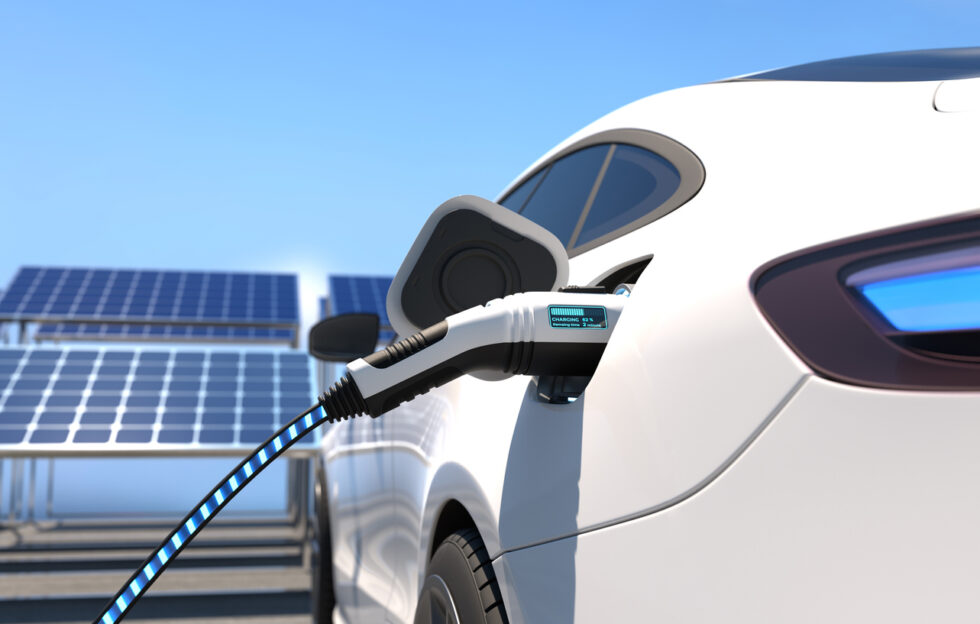
Part 1 of a three-part series: How EV adoption, battery risk, ESG, and regionalization are reshaping automotive procurement strategy.
Introduction: A Convergence of Challenges
The operating environment for automotive manufacturers has changed fundamentally with the EV reset. But this reset is not happening in isolation. In recent years, and in some cases only in recent months, supply chain and procurement leaders in Europe and North America have faced a convergence of challenges that would once have been considered exceptional: geopolitical disruption, volatile energy and raw material costs, semiconductor shortages, and shifting regulatory requirements have all come on top of the uncertainty surrounding EV adoption. Intensifying competition from Chinese manufacturers in the EV sector have also created difficulties for those in Europe and North America.
Consequently, manufacturers are reassessing electrification timelines, investment pacing, hybrid strategies, and regional market assumptions as they respond to uneven consumer demand and growing commercial pressure. All of this is having a dramatic impact on EV automotive procurement.
Is Your Automotive Supply Chain Ready for the Next Disruption?
Discover 7 strategies automotive procurement leaders can use to improve supplier resilience, strengthen visibility, and reduce exposure to global supply chain disruption.
Procurement is Central to the EV Era
The response must go beyond the defensive. EV supply chain functions are becoming more strategic, data-driven, and influential than at any point in the industry’s recent history. With improved supplier intelligence, greater visibility across multi-tier EV parts suppliers and supply networks, AI-supported analytics, closer supplier collaboration, and more flexible sourcing strategies, automotive procurement leaders are increasingly equipped not only to respond to disruption, but to build more resilient and adaptable organizations for the future.
In this article, we examine the EV reset and what it means to CPOs and category managers in terms of automotive procurement trends, EV adoption timelines, geopolitical pressures, and regulatory influence on procurement. We also explore some of the approaches, capabilities, and technologies that will be needed to address these issues.
While the challenges ahead may seem daunting, meeting them successfully will enhance the strategic role of procurement beyond cost control.
Understanding the Automotive Procurement Process
The Transition from ICE to EV Supply Chains
The transition from the internal combustion engine (ICE) to electric vehicles (EV) is the organizing challenge around which many of the automotive sector’s other procurement and supply chain pressures now revolve. In fact, many of the other challenges faced by the sector are consequences, accelerators, or complications of the EV transition. The reset is reshaping supplier ecosystems, sourcing strategies, manufacturing footprints, workforce requirements, and long-term investment priorities across the sector.
For procurement and supply chain leaders, the implications are profound. Demand for many traditional engine and transmission components is expected to decline over time, while demand for batteries, semiconductors, power electronics, and critical raw materials such as lithium, nickel, cobalt, and rare earth elements continues to grow rapidly. This is disrupting established supplier relationships and forcing manufacturers to qualify entirely new categories of suppliers, often in regions or sectors with which they have limited previous experience.
At the same time, many legacy suppliers remain heavily dependent on ICE-related production and are struggling to adapt their business models, creating further uncertainty within the automotive supply base. Procurement teams must therefore manage a delicate balancing act: maintaining continuity and quality within existing supplier networks while simultaneously building resilient EV-oriented supply chains for the future.
Long-term sourcing agreements for batteries and critical materials are becoming increasingly strategic, particularly as manufacturers seek to reduce exposure to geopolitical risk, raw material volatility, and supply concentration in China. Greater scrutiny of ESG practices, mining standards, and supply chain transparency is adding further complexity.
JAGGAER AI
AI That Moves Automotive Procurement Forward
JAI helps teams spot opportunities, manage risk, and make faster sourcing decisions.
The Automotive Procurement Process
Let’s run through the EV automotive procurement process, using EV battery procurement as an example.
1. Demand Planning & Requirements Definition
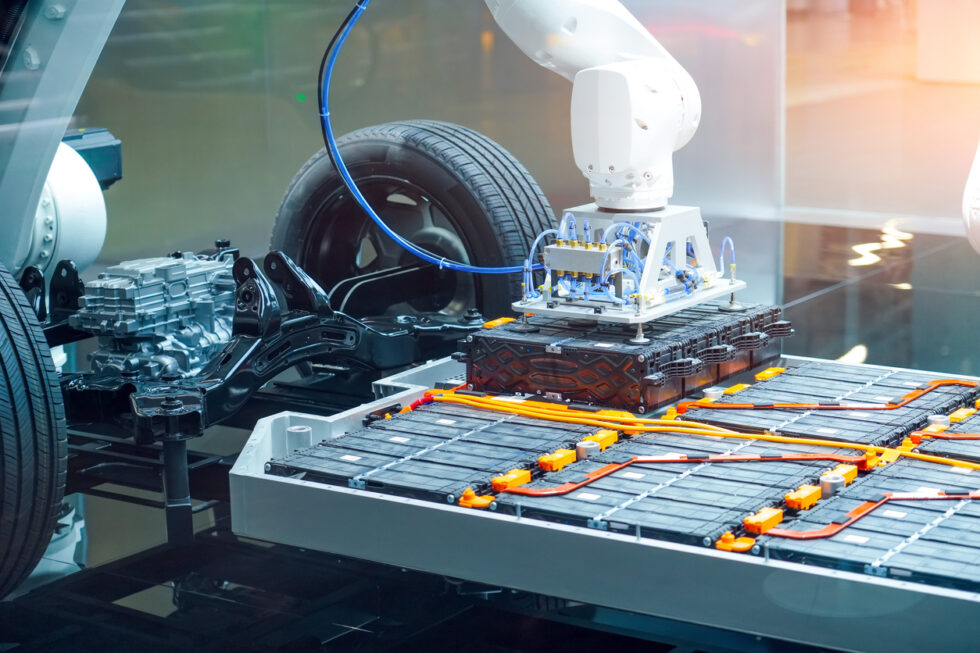
The OEM identifies future production needs. For example, an EV manufacturer forecasts production of 250,000 electric vehicles next year and determines it will need 250,000 lithium-ion battery packs, Specific chemistry (e.g., NMC or LFP) with required safety, range, and performance specifications.
Procurement activities include collaborative work with engineering, operations, and finance, the definition of technical specifications, estimating annual spend, and assessing EV supply chain risks (e.g., lithium pricing, geopolitical exposure, tariffs). Key outputs include the demand forecast, a technical specification sheet and a defined procurement strategy
2. Category Management
Category management organizes spend into strategic procurement categories. “EV Energy Storage Systems” is such a category. The procurement team develops a long-term category strategy for battery cells, battery packs, battery management systems (BMS), critical minerals etc. JAGGAER Category management include activities like analyzing spend and the supplier market, benchmarking costs, assessing supplier capabilities and developing sourcing strategies. Should the OEM pursue dual sourcing or regional sourcing? Long-term contracts? What are the ESG requirements? Typically, the goals of category management are to reduce supply risk, improve cost competitiveness, ensure technology innovation, and secure capacity for future growth. A key automotive procurement trend in the era of EV manufacturing is the inclusion of ESG and supply chain transparency requirements in category management.
3. Supplier Discovery & Battery Sourcing Strategy
The procurement team identifies and evaluates potential suppliers using JAGGAER Supplier Intelligence, with access to thousands of suppliers worldwide. Potential battery suppliers, for example, may include CATL, LG Energy Solution, Panasonic, and Samsung SDI. The OEM issues RfIs and RfQs to evaluate pricing, production capacity, quality certifications, financial stability, ESG compliance in automotive procurement, cybersecurity maturity, and geographic risk, among other criteria. Strategic considerations include nearshoring the automotive supply chain versus offshore sourcing, tariff exposure, supplier concentration risk, and raw material traceability. Diversification and supplier collaboration are now critical risk-management priorities in EV manufacturing procurement.
4. Supplier Selection & Contract Negotiation
The OEM selects preferred suppliers and negotiates contracts. The negotiations are likely to cover unit pricing, volume rebates, warranty terms, lead times, quality KPIs, service-level agreements, and inflation adjustment clauses. A typical contract structure could include a 5-year supply agreement, a minimum annual volume commitment, indexed pricing linked to lithium prices, and penalties for delivery delays. At the end of the negotiation the parties sign a Master Supply Agreement (MSA) plus other documents such as quality agreements and ESG compliance documentation.
5. Supplier Onboarding
Approved suppliers are then onboarded into procurement systems such as JAGGAER One. This covers vendor registration, compliance verification, banking and tax validation, ERP integration, and EDI/API connectivity setup.
Digital source-to-pay integration, as offered by the JAGGAER One platform, is increasingly viewed in the automotive sector as essential for procurement efficiency and resilience.
6. Purchase Requisition & Approval
Internal stakeholders then request components for production. For example, a manufacturing plant submits a requisition for: 20,000 battery packs with delivery over the next eight weeks. Any of around 40 ERP systems integrated with JAGGAER can take care of budget validation, workflow approvals, spend authorization, and compliance checks. These are increasingly automated; in some cases, they already take place autonomously with AI. Outputs include approved purchase requisition (PR).
7. Purchase Order (PO) Creation
Procurement converts approved demand into formal purchase orders. The P.O. includes part numbers, quantities, delivery schedules, pricing, shipping instructions, and quality requirements. Again, much of this is automated in JAGGAER One.
8. Logistics & Delivery Management
The supplier manufactures and ships the components. Activities at the buyer’s end include shipment tracking, customs coordination, inventory management, and risk monitoring. In the EV automotive sector decisions around just-in-time (JIT) delivery are absolutely critical. Procurement must manage production line stoppage risk and handle challenges such as semiconductor or mineral shortages and port disruptions. Tier-N supplier visibility is becoming increasingly important in automotive supply chains.
JAGGAER pioneered predictive analytics with the on-time delivery predictor, giving automotive manufacturers greater power to plan and manage logistics and inventory.
9. Goods Receipt & Quality Inspection
The OEM verifies delivery and quality. It must confirm quantities received, inspect battery performance/safety, validate against specifications, and record defects or shortages. These must be reported and any deviations acted upon.
10. Invoice Processing & Accounts Payable
The supplier submits an invoice. At the buyer end, a three-way match should take place, with the finance/procurement system validating: Purchase Order, Goods Receipt, and Supplier Invoice. The invoice is approved, payment scheduled and early payment discounts evaluated. Or if the invoice is not approved, dispute resolution processes are initiated.
Integrated source-to-pay systems help reduce manual costs and improve spend visibility. JAGGAER One is automating these processes.
11. Supplier Performance & Continuous Improvement
Procurement continuously monitors supplier performance. KPIs include on-time delivery, defect rates, cost reductions, ESG compliance, and innovation contribution. In our case a battery supplier scorecard is likely to track warranty claims, energy density improvements, and carbon footprint reductions. Strong supplier relationships improve resilience, innovation, and long-term profitability.
See AI-Powered Procurement for Automotive in Action
See how JAGGAER can help your automotive procurement team improve supplier visibility, manage sourcing complexity, and respond faster to disruption.
In Part 2 of this series, we will examine some current challenges in the EV automotive sector.
Talk to a procurement expert.
Tell us your challenge. We will show you exactly where JAGGAER One fits into your current setup — with specifics, not a generic demo.
- Direct or indirect?
We handle both — on one platform. - Already have an ERP?
JAGGAER Link connects to 1,000+ systems, no rip-and-replace. - Need to show ROI fast?
We define outcomes and KPIs before you sign. - Vertical-specific?
Manufacturing, higher ed, public sector — configured, not customized.
Request a Demo
Related Articles
Blog
The EV Supply Chain Reset, Part 2: Procurement Challenges in the EV Automotive Industry

Blog
Basware Alternatives in 2026: How to Compare Them and Which Fits Your Procurement

Blog
Procurement in 2026-27: Why Economics, Transformation, and Compliance Are No Longer an Either-Or in Automotive Procurement

Blog



