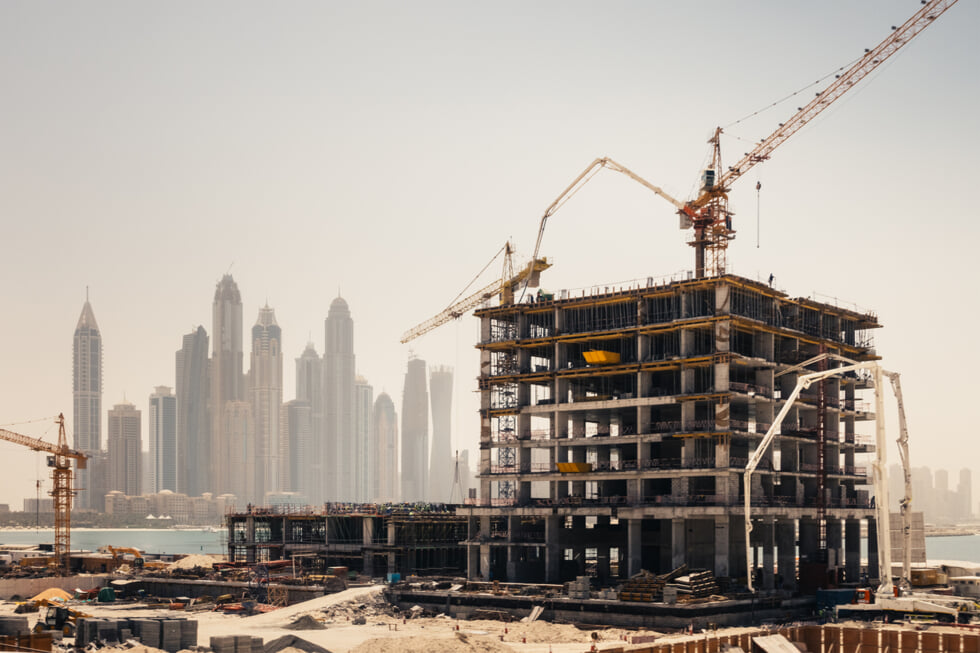
The Rising Importance of Procurement in Real Estate and Construction Across MEA
Procurement transformation in the real estate and construction sector across the Middle East and Africa is accelerating as developers face increasing pressure to deliver projects faster, control costs, and maintain high build quality.
Across the Middle East and key African markets, rapid urban development, large-scale infrastructure programs, and ambitious national visions are driving unprecedented growth in residential, commercial, and mixed-use developments.
In markets such as the UAE and Saudi Arabia, where project pipelines continue to expand, procurement has become a critical function in ensuring delivery timelines, supplier reliability, and financial control.
In this environment, procurement is no longer a transactional function.
It is a strategic enabler of project execution, quality assurance, and long-term asset value.
From our experience supporting real estate developers and construction organizations across MEA, digital procurement transformation must go beyond sourcing efficiency. It must establish transparency, strengthen supplier collaboration, and enable real-time visibility across the entire procurement lifecycle.
However, many procurement transformations in construction environments still face structural challenges that limit impact.
Key Procurement Challenges in Real Estate and Construction in the Middle East and Africa
1. Limited Supplier Visibility and Inconsistent Qualification Processes
Real estate developers and construction firms rely on a broad ecosystem of contractors, subcontractors, and material suppliers.
Without structured supplier management, organizations face:
- Limited visibility into supplier capabilities and performance
- Inconsistent onboarding and qualification processes
- Increased risk of engaging underperforming or non-compliant vendors
In construction procurement, supplier quality directly impacts build quality, timelines, and cost control.
The absence of standardized supplier governance creates operational and reputational risk.
2. Complex and Time-Intensive Sourcing in Large-Scale, Multi-Stakeholder Construction Projects
Sourcing events in construction are often complex, involving multiple stakeholders, technical specifications, and tight timelines.
Without digital procurement tools, developers frequently experience:
- Delays in launching and managing tenders
- Limited access to qualified suppliers
- Manual evaluation processes that slow decision-making
Inefficient sourcing directly impacts project mobilization and execution speed.
In fast-paced real estate markets, delays at the sourcing stage cascade across the entire project lifecycle.
3. Limited End-to-End Contract Visibility Impacting Cost, Risk, and Performance
Construction projects are governed by complex contracts with strict timelines, milestones, and financial commitments.
However, many organizations lack centralized visibility into contract data, leading to:
- Missed key deadlines and milestones
- Limited control over contract compliance
- Increased exposure to cost overruns and disputes
- Limited visibility into contract history, restricting predictive analysis and proactive decision-making
Without structured contract management, procurement teams cannot effectively enforce accountability or manage financial risk.
In construction environments, contract visibility is essential for project governance.
4. Limited Spend Visibility and Data Transparency Constraining Decision-Making in Complex Projects
Procurement teams in real estate and construction often operate with fragmented or delayed spend data.
This limits their ability to:
- Identify cost-saving opportunities
- Track procurement trends across projects
- Align procurement decisions with budget forecasts
Without real-time spend analytics, procurement remains reactive rather than strategic.
In large-scale development environments, this directly impacts financial performance and planning accuracy.
How Leading Developers in MEA Are Transforming Procurement Operations
High-performing real estate and construction organizations across the Middle East and Africa are addressing these challenges by embedding transparency, automation, and supplier collaboration into their procurement operating models.
Leading practices include:
- Digitizing sourcing processes to accelerate tendering and improve supplier access
- Implementing structured supplier management to standardize onboarding, qualification, and performance tracking
- Centralizing contract management to improve visibility, enforce compliance, and reduce risk
- Leveraging real-time spend analytics to enable smarter budgeting and faster decision-making
- Automating procurement workflows to reduce manual effort and increase operational efficiency
- Strengthening supplier collaboration to improve delivery quality and project outcomes
In mature construction procurement environments, procurement is fully integrated into project delivery, not operating as a separate function.
Measurable Outcomes of Procurement Transformation in Real Estate and Construction
Across procurement transformations in the Middle East and Africa, real estate developers and construction firms are achieving measurable improvements such as:
- Reduction in procurement cycle times, enabling faster project mobilization
- Significant decrease in manual workload through automation of procurement processes
- Improved supplier qualification and performance management
- Enhanced contract visibility, reducing financial and legal risk
- Greater transparency across procurement activities and decision-making
Most importantly, procurement becomes a driver of project efficiency, enabling developers to deliver projects on time, within budget, and to the required quality standards.
Strategic Priorities for CPOs in Real Estate and Construction Across MEA
Procurement transformation in the real estate and construction sector is no longer defined by cost control alone.
It is defined by:
- Supplier transparency and performance management
- Faster and more efficient sourcing processes
- Strong contract governance and risk mitigation
- Real-time visibility into procurement spend and performance
- Enhanced collaboration across the supplier ecosystem
For developers operating in high-growth and high-pressure environments, procurement must evolve into a data-driven, integrated, and strategic capability.
The question for CPOs in real estate and construction across MEA is not whether procurement processes are digitized.
It is whether procurement is enabling faster delivery, stronger supplier performance, and better project outcomes.
Procurement transformation in construction ultimately determines how efficiently projects are delivered, how effectively risks are managed, and how sustainably value is created across the built environment.