Explore category management tools and dashboards, and learn how spend management software tracks savings, risk, and performance across categories.
Introduction: Why Category Management Needs the Right Tools
Category management has always relied on data, insight, and coordination, but the scale and complexity of today’s procurement environment have fundamentally changed what is possible without advanced, purpose-built technology designed specifically to support category management at scale.
Spreadsheets, slide decks, and static reports may still play a role, but they no longer scale when organizations are managing dozens of categories, thousands of suppliers, volatile markets, and growing regulatory and ESG obligations. What once worked for periodic analysis quickly breaks down when category strategies must be refreshed continuously and governed consistently across geographies and business units.
At the same time, the demands placed on category management have expanded. Procurement leaders now expect category strategies to address not just cost, but risk, resilience, sustainability, compliance, and value creation over time. This requires the integration of data from multiple sources: spend, suppliers, contracts, performance, and external market signals. The data must then be turned into actionable insights. Doing this manually is slow, inconsistent, and increasingly unreliable.
Modern spend management platforms, analytics, and category dashboards have therefore become essential enablers of effective category management. They provide a single, trusted view of category performance, support structured analysis and decision-making, and embed governance into everyday workflows. More importantly, they allow category management to operate at scale rather than remaining dependent on individual effort or local workarounds.
The Category Management Technology Landscape: from Visibility to Strategic Control
In the conceptual spend management spectrum, category management typically sits between spend analytics and sourcing, but in practice it draws on a broader ecosystem of tools that together support insight, decision-making, execution, and governance. While some platforms (including JAGGAER) offer dedicated category management modules, effective category management is ultimately enabled by how analytics, sourcing, supplier, and contract tools are combined and applied coherently across the lifecycle.
Category management technology should not be understood as a black-box solution that automatically generates strategy, nor as a specialist tool usable only by analysts. Its value lies in making complex information accessible, transparent, and actionable for different stakeholders. For category managers, this means deep analytical capability and structured decision support; for procurement leaders and executives, it means intuitive dashboards, clear narratives, and confidence that decisions are grounded in consistent data and governance.
Well-designed category management solutions therefore combine analytical depth with usability. They do not replace judgement, but they reduce friction, standardizing analysis, surfacing risks and opportunities, and enabling informed dialogue across functions. When this balance is achieved, category management becomes easier to scale and easier to govern, without being reduced to an opaque algorithm or an impenetrable reporting layer.
Spend analysis and analytics platforms
Spend analysis tools form the analytical foundation for category management. They consolidate data from multiple ERP and finance systems, classify spend consistently, and provide visibility into where money is being spent, with whom, and on what. For category managers, this enables baseline analysis, demand aggregation, and the identification of patterns, fragmentation, and concentration within a category.
More advanced analytics extend beyond descriptive reporting to support trend analysis, benchmarking, and hypothesis testing. When enriched with supplier, contract, or external market data, these tools help category managers understand cost drivers, exposure to volatility, and structural opportunities or risks across the category. Without this layer, category strategy remains opinion-led and difficult to scale.
Sourcing and contract management tools
Sourcing and contract management tools support the execution and formalization of category strategies. Once a category direction is defined around criteria such as consolidation, regional diversification, or multi-sourcing, these sourcing tools provide the structure to run compliant, repeatable sourcing events aligned with those objectives. They help translate strategy into supplier selection, pricing mechanisms, and award decisions.
Contract management tools then anchor category strategy over time. They enable the standardization of terms, tracking of obligations, management of renewals, and enforcement of negotiated outcomes. For category management, this is critical: strategy is only effective if it is embedded in contracts that can be monitored, governed, and adjusted as conditions change.
Supplier management and risk management tools
Supplier management and risk tools extend category management beyond the point of award. They provide structured insight into supplier performance, financial health, compliance status, and risk exposure, often across multiple dimensions such as geography, ESG, or cyber risk. Used at category level, these tools help identify shared dependencies and systemic vulnerabilities rather than isolated supplier issues.
In more mature environments, supplier data is used not only to monitor performance, but to inform category strategy refreshes. For example, changes in supplier capacity, ownership, or risk profile may trigger adjustments to sourcing models, diversification plans, or contingency strategies across the category as a whole.
Integrated source-to-pay platforms
Integrated source-to-pay (S2P) platforms bring these capabilities together into a single operating environment, connecting analytics, sourcing, contracting, and transactional execution. For category management, their primary value lies in consistency, governance, and scalability. Common data models, workflows, and controls reduce fragmentation and ensure that category strategies are applied coherently across regions and business units.
S2P platforms can also be implemented to support feedback loops: sourcing outcomes feed into spend analysis, contract data informs supplier performance, and transactional behavior reveals compliance gaps. This allows category management to move from periodic planning to continuous, evidence-based management.
Taken together, these tools enable category management to operate with greater speed, discipline, and transparency. They support different stages of the category lifecycle from analysis through strategy design, execution, and review, while embedding governance and accountability into day-to-day activity. But they do not replace judgement or strategy; they extend the reach of category managers, allowing them to manage complexity at scale and focus their expertise where it adds the most value.
What a Category Management Dashboard Should Actually Show
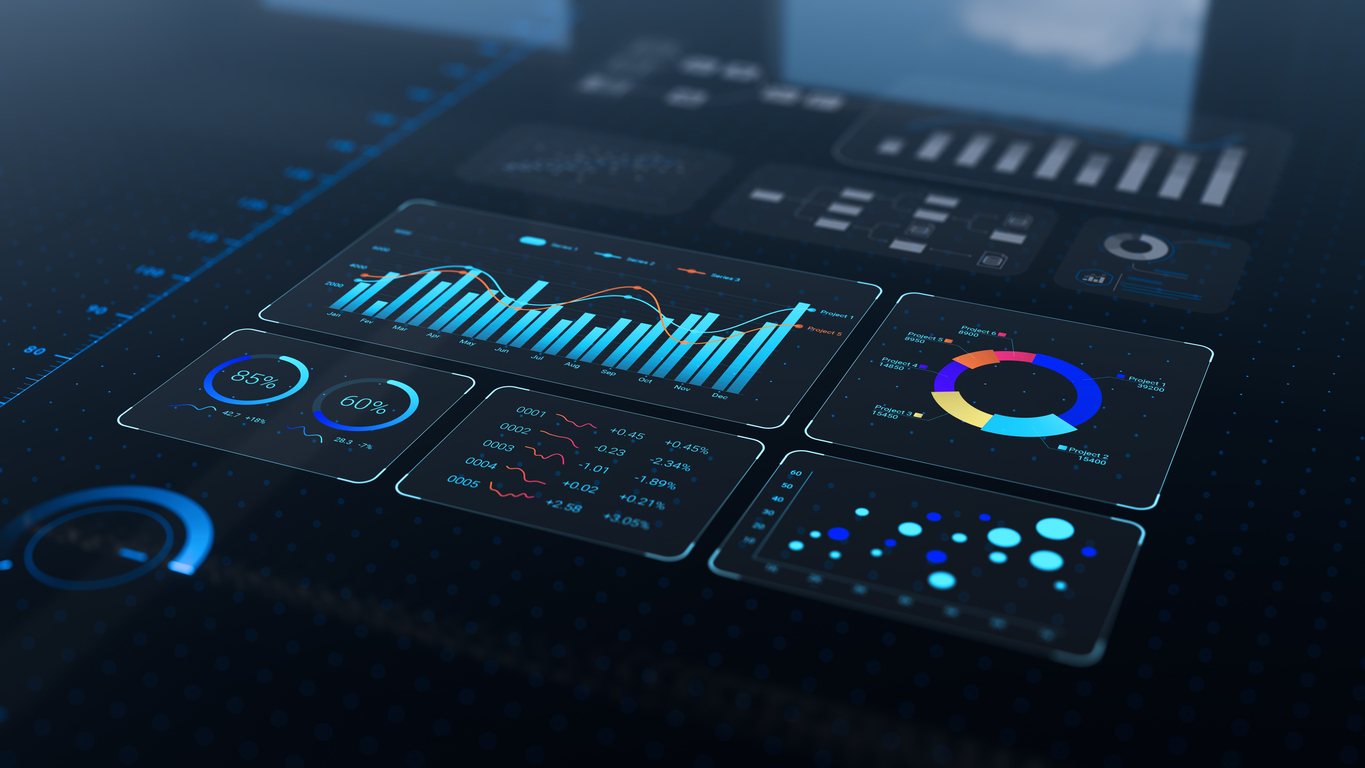
At category level, a good dashboard brings together a small number of perspectives that category managers and leaders can interrogate easily, without reverting to spreadsheets or slide packs. At a minimum, this includes category spend visibility over time, showing trends, seasonality, and demand fluctuations rather than static totals. This allows category managers to distinguish between structural growth, temporary spikes, and demand erosion: an essential input to strategy refresh. Leading dashboards also show forecast versus actual spend, making demand volatility explicit rather than implicit.
Another core element is supplier concentration and dependency. Good category views surface how spend is distributed across suppliers, regions, and tiers, highlighting single-source exposure, hidden concentration, or over-fragmentation. When enriched with supplier risk indicators, this allows category managers to see not just who they buy from, but where shared vulnerabilities exist across the category.
Finally, category dashboards increasingly integrate contract coverage, compliance, and performance signals. This connects strategy to execution, showing whether negotiated agreements are being used, where leakage occurs, and where supplier performance or risk indicators suggest the need for intervention. The objective is early visibility, enabling action before issues escalate
What category management tools surface beyond spend
One of the key advantages of modern spend management and analytics platforms is their ability to surface patterns that are difficult to see manually, especially across large, global categories.
These include:
- Demand volatility, revealed through trend analysis, seasonality, and variance across business units or regions
- Supplier concentration and consolidation opportunities, visible across what may appear to be separate contracts or entities
- Supply chain risk, inferred from geographic exposure, supplier dependency, contract terms, and external risk signals
- Structural inefficiencies, such as duplicated suppliers, inconsistent pricing, or unmanaged tail spend within a category
Crucially, these insights are most powerful when viewed at category level, rather than supplier or transaction level. Category management tools do not just answer “what happened,” but help frame “where are we exposed?” and “where should strategy change?”
What Leaders Expect from CM Dashboards: From Savings Tracking to Category Value Management
In more mature category management environments, technology supports value management at category level, not just the tracking of isolated savings initiatives. Rather than focusing solely on price reductions, leading organizations use category dashboards to monitor a broader set of category-level KPIs and trends that reflect how well a category strategy is performing over time. This includes distinguishing clearly between savings and value delivered. Savings may still be an important metric, particularly in highly competitive or cost-sensitive categories, but they sit alongside indicators such as supply continuity, risk reduction, sustainability performance, contract compliance, and service outcomes. Category management technology enables these dimensions to be viewed together, making trade-offs explicit rather than implicit.
Tracking Savings, Risk & Performance Across Categories
Category dashboards also increasingly surface risk, compliance, and exposure metrics at category level. This might include supplier concentration, geographic exposure, contract coverage, ESG indicators, or regulatory constraints. Seeing these factors alongside financial performance allows category managers and leaders to understand not just what value has been delivered, but how robust that value is under changing conditions.
Crucially, effective tools also support forward-looking indicators, such as upcoming contract renewals, index-linked price adjustments, known market volatility, or emerging supply risks. This shifts category management from retrospective reporting to proactive management, enabling earlier intervention and more deliberate strategy refresh.
In summary, a modern category management dashboard should cover the following KPIs:
- Realized vs pipeline savings
- Contract compliance and leakage
- Supplier performance and risk signals
- ESG, regulatory, and policy compliance
Scaling Category Management with Confidence
Most organizations experience category management maturity as a progression from visibility, through insight, to foresight. Technology plays a different role at each stage, but its ultimate value lies in enabling category management to scale consistently beyond individual expertise or local practice.
At the visibility stage, the focus is on creating a reliable, shared view of spend, suppliers, and contracts. This is where many organizations begin: consolidating data, standardizing classifications, and establishing a baseline understanding of category structure and performance. While this does not in itself create strategy, it is essential for credibility and governance. Without visibility, category management remains fragmented and reactive.
As organizations move to insight, technology supports structured analysis and comparison across categories, regions, and teams. Standardized reporting, common KPIs, and repeatable analytical models allow category managers to identify patterns, trade-offs, and opportunities more consistently. Importantly, this is also where process standardization becomes critical. When category strategies follow a common rhythm and are supported by shared dashboards and templates, collaboration improves and accountability becomes clearer. Category management becomes less dependent on individual capability and more embedded as an organizational discipline.
The most mature organizations reach foresight, where category management shifts from periodic review to continuous, forward-looking management. Here, technology surfaces emerging risks, upcoming decisions, and potential inflection points, such as contract renewals, market volatility, supplier dependency, or demand shifts, before they become urgent. This enables earlier intervention, better prioritization, and more deliberate strategy refresh, particularly across global or decentralized entities.
Common Gaps in Category Management Technology Implementations
The most common reason category management technology underperforms is not lack of functionality, but misalignment between data, design, and decision-making. Disconnected systems remain a frequent issue. When spend, supplier, contract, and performance data are held in separate tools or reconciled manually, organizations struggle to establish a single version of the truth. Category discussions then focus on whose numbers are correct, rather than what actions should be taken.
Poor data quality compounds this problem. Inconsistent classification, incomplete supplier records, and unreliable baselines undermine confidence in insights, regardless of how sophisticated the analytics appear. Without disciplined data foundations, dashboards risk amplifying errors at scale, making category strategies harder to defend and governance more fragile.
Another common pitfall is dashboards that measure activity rather than outcomes. Metrics such as number of sourcing events, savings logged, or suppliers onboarded may be easy to report, but they say little about whether category strategies are delivering sustainable value. Effective category management requires visibility into outcomes, such as risk reduction, compliance, continuity, and long-term value, not just evidence that processes have been followed.
Finally, many category dashboards fail to resonate with senior leaders because they are not designed with executive decision-making in mind. Overly detailed, operational views may be valuable for category managers, but they do not answer the questions executives care about: Where are we exposed? Where is value at risk? What decisions are required now? When dashboards lack this relevance, category management becomes harder to sponsor, govern, and scale.
Organizations that avoid these pitfalls start with clear definitions, strong data governance, and a disciplined understanding of who each view is for. Technology then becomes a force multiplier, aligning stakeholders around shared insight and enabling category management to operate with confidence, credibility, and impact.
From Reporting to Intelligence: What Comes Next
Artificial intelligence and predictive analytics are building on the category management maturity curve by extending analytical reach and speed, without replacing human judgement. When applied responsibly, AI helps category managers and leaders process larger volumes of data, detect patterns across categories and suppliers, and model scenarios that would be impractical to assess manually. This is especially valuable when scaling category management across regions, business units, and complex supply networks.
Crucially, AI is most effective when it operates within established governance frameworks. Clean data, standard definitions, and consistent processes are prerequisites. When these foundations are in place, AI can support collaboration by providing a common analytical reference point, reduce dependency on individual expertise by standardizing insight generation, and reinforce accountability by making assumptions and outcomes more transparent.
Rather than acting as a black box, well-governed AI functions as decision support: highlighting risks, surfacing options, and predicting and testing scenarios, while leaving strategic trade-offs and accountability firmly with people. In this way, AI strengthens category management as a scalable, enterprise capability; one that is easier to govern, easier to explain, and better aligned with executive decision-making.
Executive Takeaway: Technology as an Enabler of Confident Category Management
Technology enables category management strategy to operate at scale, with consistency, and under effective governance. Tools and dashboards are most valuable when they support structured thinking, informed trade-offs, and accountable decision-making, rather than attempting to automate strategy itself.
For leaders, the foundations are visibility, insight, and control. Visibility provides a shared, credible view of spend, suppliers, and contracts. Insight turns that data into understanding of value, risk, and opportunity at category level. Control ensures that category strategies are executed consistently, governed transparently, and refreshed as conditions change. Together, these capabilities allow category management to move from episodic analysis to continuous, strategic management.
Well-designed category dashboards play a central role in this shift. They translate complexity into clarity, highlighting where value is being created, where risk is emerging, and where decisions are required. For procurement leaders, this builds confidence that category strategies are grounded in evidence, aligned with business objectives, and delivering measurable outcomes over time.
The practical next step is to align process, data, and governance and select technology that fits your organization’s category management strategy. When this alignment is achieved, technology becomes a force multiplier, enabling better decisions, stronger performance, and more resilient category strategies across the enterprise.
JAGGAER Category Management & Intelligence: Turn Strategy into Competitive Advantage
Unify spend, supplier, and market intelligence to build smarter category strategies that reduce risk and unlock savings.